Debt Consolidation: What to Check First
Several small loans with different rates and payment dates can be hard to keep track of. A consolidation loan promises an overview, but it isn't automatically the cheapest solution. Here's what to calculate before you combine.
What a consolidation loan actually does
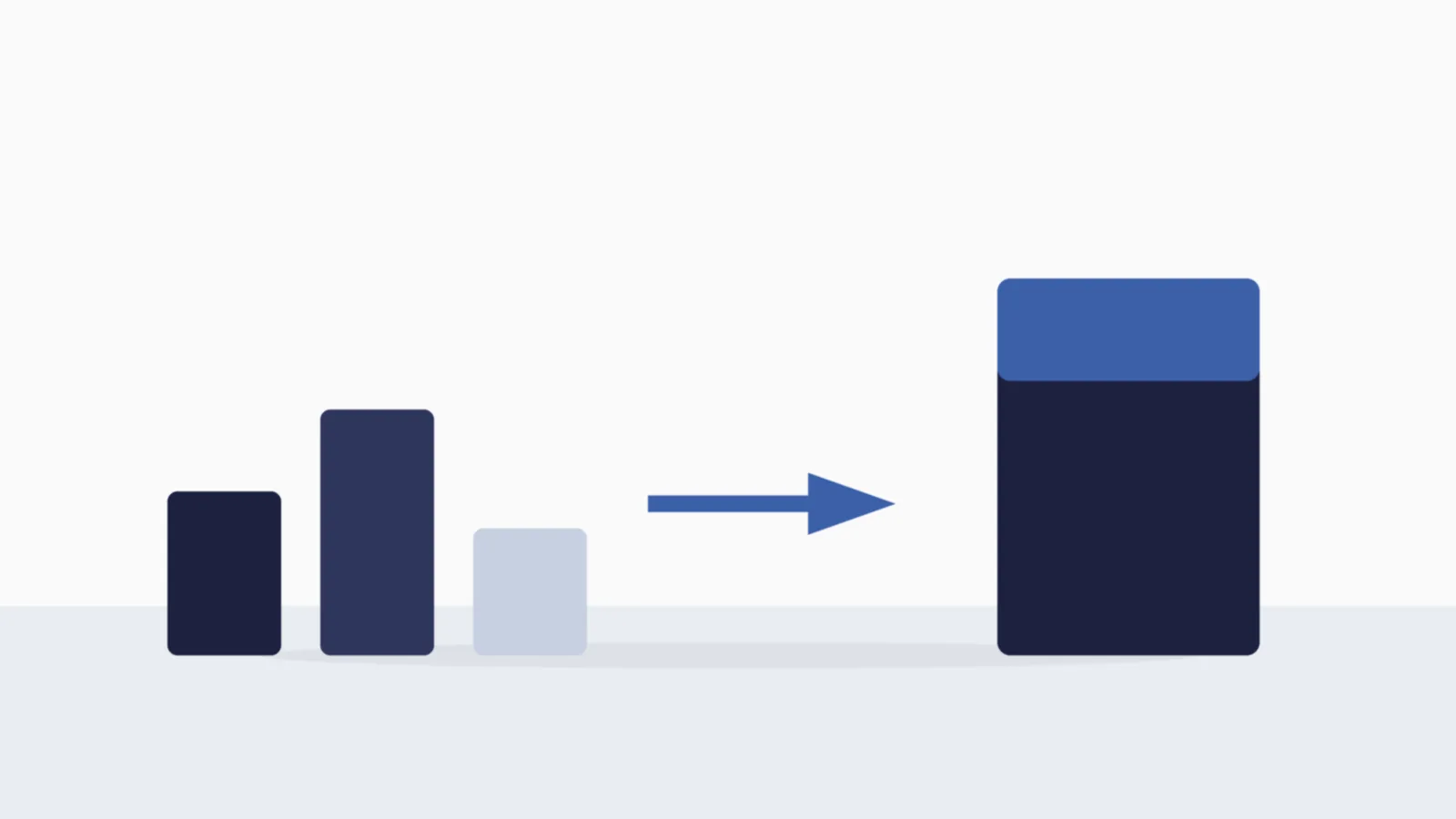
A consolidation loan (samlelån) replaces several existing loans with one new loan, one interest rate, and one monthly payment. It can make your finances more manageable and sometimes lower your overall interest rate, if your current loans carry high rates.
- One payment instead of several makes it easier to keep track of your finances
- Can lower the monthly instalment if the term is extended
- Can in some cases give a lower overall rate than expensive payday loans or credit cards
What often gets overlooked
A lower monthly instalment isn't the whole picture:
- A longer term often means more kroner in total interest cost, even though the individual instalment is lower
- Some existing loans can't be paid off early without a fee
- A consolidation loan can create a feeling of having solved the problem, without the underlying spending having changed, with a risk of new debt on top
How to calculate it
Before you sign, compare the total repayment, not just the monthly instalment. Denmark's Consumer Council (Forbrugerrådet Tænk) recommends the same approach in their consumer loan guide:
- Add up all your current loans: remaining balance, interest rate, and remaining term
- Ask for the same figures for the consolidation loan, including setup costs and fees
- Compare the total amount you'll pay back in each scenario
How to compare two offers in practice
The total repayment is the monthly instalment multiplied by the number of months in the term. Work out that figure for both your current loan(s) and the consolidation loan, and compare the two totals directly instead of looking only at the monthly instalment.
When is a consolidation loan a bad idea?
If the consolidation loan requires security in your home or other property, it's worth considering what happens if you can't pay at some point. And if the lower instalment is used to take on new spending instead of creating breathing room in your finances, you typically end up with more total debt than you started with.
Frequently asked questions
- Is a consolidation loan always cheaper? No. The monthly instalment is often lower, but a longer term can make the total loan more expensive in interest. Always calculate the total cost.
- Can I consolidate payday loans and credit card debt into one loan? In many cases yes, if your finances and credit assessment allow it. It can be an advantage if it replaces high payday-loan interest with a lower, fixed rate.
- Should I close my old accounts once the debt is consolidated? Check whether your old loans can be paid off without a fee before you consolidate. Some agreements have an early-repayment fee, which should be included in the total cost.
Important: this is not legal advice
This post is written as general information, not as legal or financial advice for your specific situation. Reelt is a documentation tool: we do not provide personal advice and do not carry out debt relief (gældssanering) proceedings.
If you need help with your own situation, free, impartial debt counseling is available from organizations such as Forbrugerrådet Tænk.